


Football is the most watched sport on earth, which means it has always carried more than a game.
It carries class, nationhood, identity, hope, escape and the weight of what people need it to mean.
The best football films understand this. They use the pitch, terrace, dressing room and training ground as places where something larger is being worked out.
The films on this list span six decades and a dozen countries. Some are documentaries, some are dramas, and some sit somewhere between the two.
What they share is an understanding that football is never just football. It is what people reach for when they need to feel part of something, prove something, or survive something.
Escape to Victory sets the tone. A match inside a Nazi prison camp becomes an extreme version of what the sport can do: resistance, and a way of asserting identity when everything else has been stripped away.
The same idea runs through Offside, where Iranian women risk arrest to watch a World Cup qualifier, and Bend It Like Beckham, where a young woman in west London fights for the right to play.
Class runs through almost every film here. When Saturday Comes, Looking for Eric, The Football Factory and Fever Pitch are about what football means to people for whom it is not leisure, but identity.
The documentaries are just as strong. Zidane: A 21st Century Portrait turns concentration into philosophy. Maradona explores the gap between the god and the man. The Two Escobars traces football's entanglement with narco-politics.
Goal! and Next Goal Wins approach the same dream from opposite ends of the game. One follows a Mexican immigrant chasing professional football in England; the other follows the world's worst international team chasing a single qualifying victory.
This is a list for people who love football, and for people who have never watched a match. The films here use the game to talk about things that matter beyond the result.
Escape to Victory
A football match inside a Nazi prison camp becomes an act of collective defiance. Pelé, Bobby Moore and Sylvester Stallone make it iconic, but it is the idea at the heart of it that endures: that sport can be a form of resistance when everything else has been taken away.

Fever Pitch
Nick Hornby's Arsenal obsession is the film's subject but emotional repression is its real territory. Paul's inability to let anything matter as much as the football is a quietly devastating portrait of how fandom fills the gaps that men leave in their own lives.

Bend It Like Beckham
Jess wants to play football. Her family wants her to be someone else entirely. Gurinder Chadha turns a semi-pro pitch in west London into a battleground for cultural identity, gender expectation and what it costs a second-generation immigrant to claim her own ambitions.
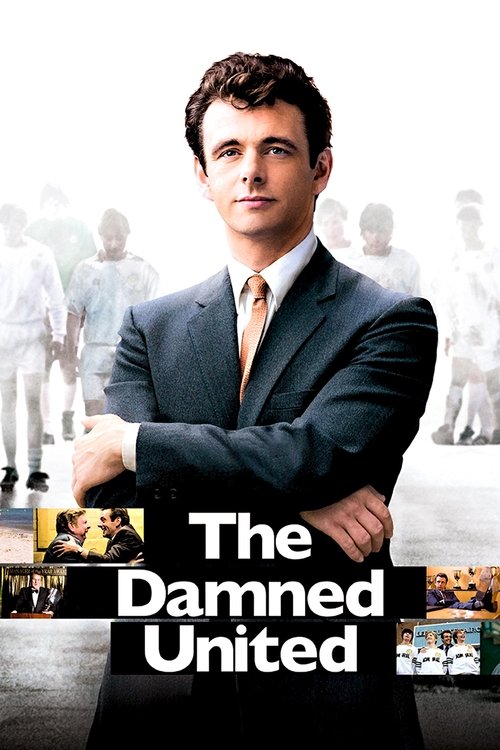
The Damned United
Brian Clough's 44 days at Leeds United is a study in ego meeting its limits. Michael Sheen plays Clough as a man who confused contempt for vision, and the film uses his spectacular failure to ask what football management really demands of the people who pursue it.

Zidane: A 21st Century Portrait
Seventeen cameras follow one player through ninety minutes of a Real Madrid league match. The result is closer to portraiture than sports coverage, turning Zidane's concentration, movement and occasional fury into something that feels genuinely philosophical.
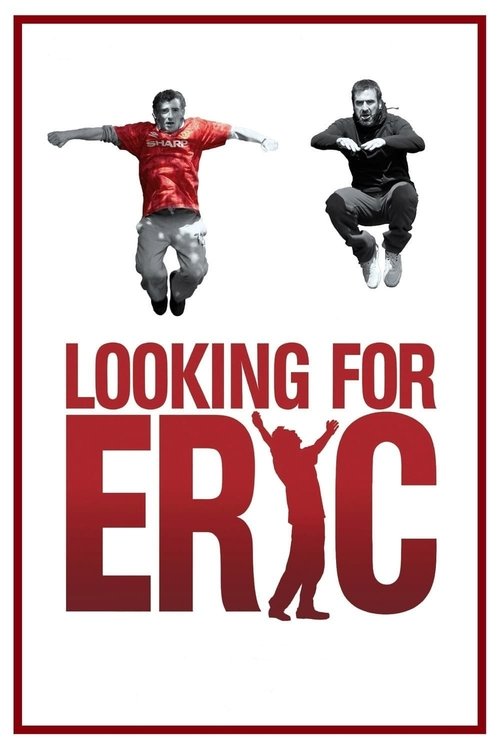
Looking for Eric
A Manchester postman falling apart gets unexpected counsel from an imagined Eric Cantona. Ken Loach uses United fandom as a language of working-class solidarity, and Cantona's cameo as himself is one of the strangest and most moving things in any football film.

The Two Escobars
Pablo Escobar's drug money built Colombian football into a continental force, and Andres Escobar paid for that entanglement with his life. This documentary traces how a nation's sporting identity became inseparable from its most violent chapter.
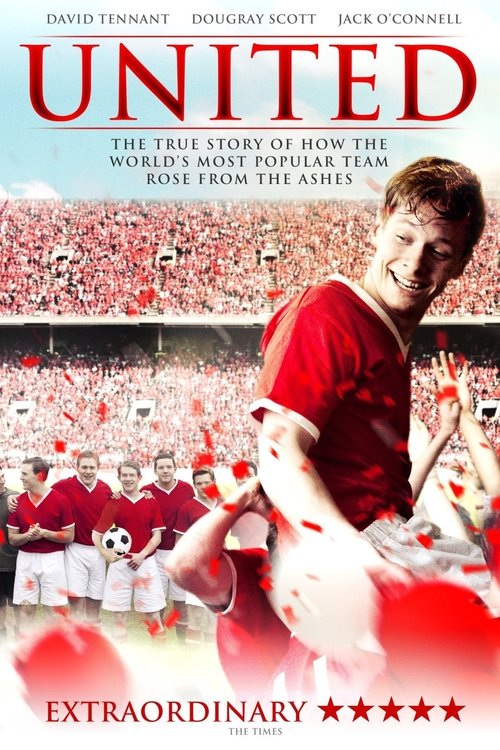
United
The Munich air disaster and the rebuilding of Manchester United is told here through grief, duty and the weight of what survives. The Busby Babes carry the film's emotional core, and the question of how a club and a community go on is never far from the surface.

Goal!
Santiago Munez travels from the barrios of Los Angeles to the Premier League, and the film makes class mobility feel genuinely precarious rather than inevitable. The gap between dreaming and belonging is where Goal! does its most honest work.

Pelé
Pelé's genius was never just his own. This documentary traces how his rise mapped onto Brazil's political turbulence, and how a country projected its hopes and contradictions onto one player who could not always bear the weight of what he represented.

Next Goal Wins
American Samoa held the record for the heaviest defeat in international football history. This documentary about their attempt to qualify for the World Cup reframes what winning means, finding more dignity and love for the game in their story than in most champions.

Maradona
Asif Kapadia separates the god from the man and finds both exhausted by the effort of being Diego Maradona. Naples is the film's great supporting character, a city that needed a saviour and found one, then consumed him.